Services
- Branding
- Print & Merchandise Design
- UX/UI Design
- Development
- Live Streaming & On-demand Video
- Hosting
- Ongoing Support
Technology Stack
- Plat4m
The challenge: extend the experience beyond the event
The organizers needed to promote events, reach audiences who could not attend in person, and preserve performances after the festival ended.
The platform also needed to support the people managing that content, with flexible roles and sharing controls that remained straightforward to administer.
Our approach: one connected platform
Codeberry handled branding, design, development, hosting, and ongoing support.
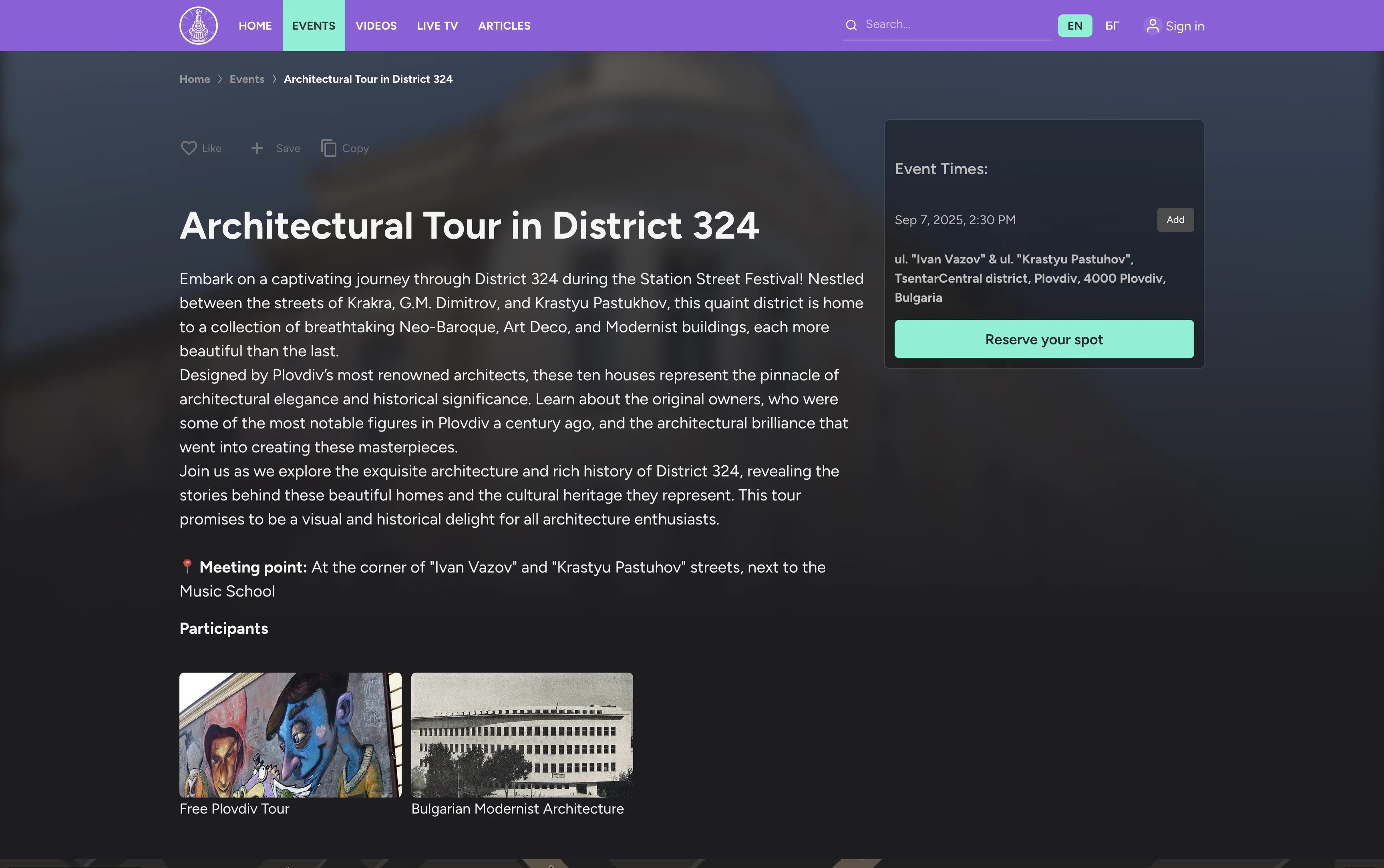
Built on Plat4m, the website brings together event publishing, articles, a video catalog, and live-stream pages. Visitors can explore festival editions and content categories, with English and Bulgarian language options.
An identity built around the station
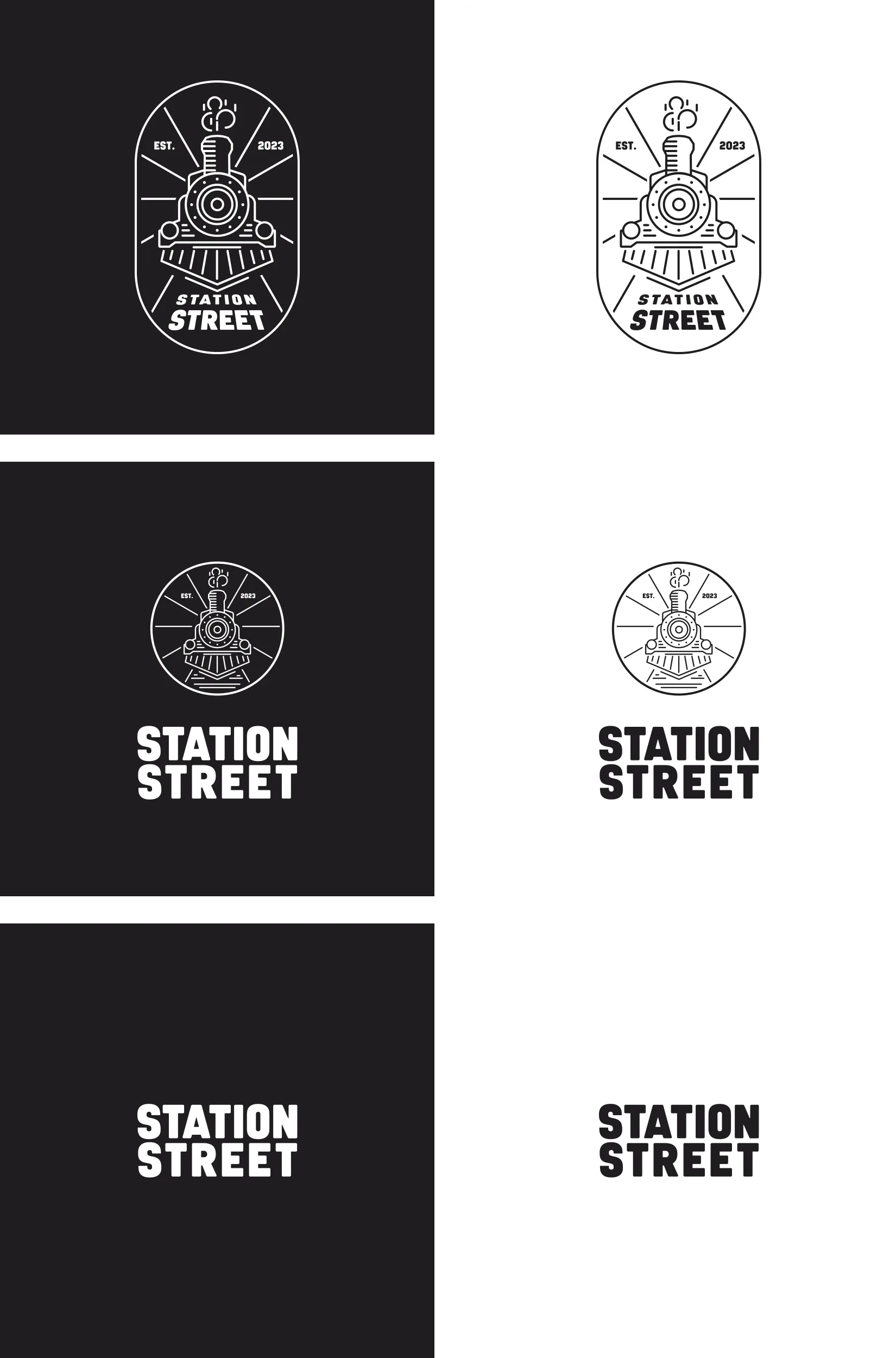
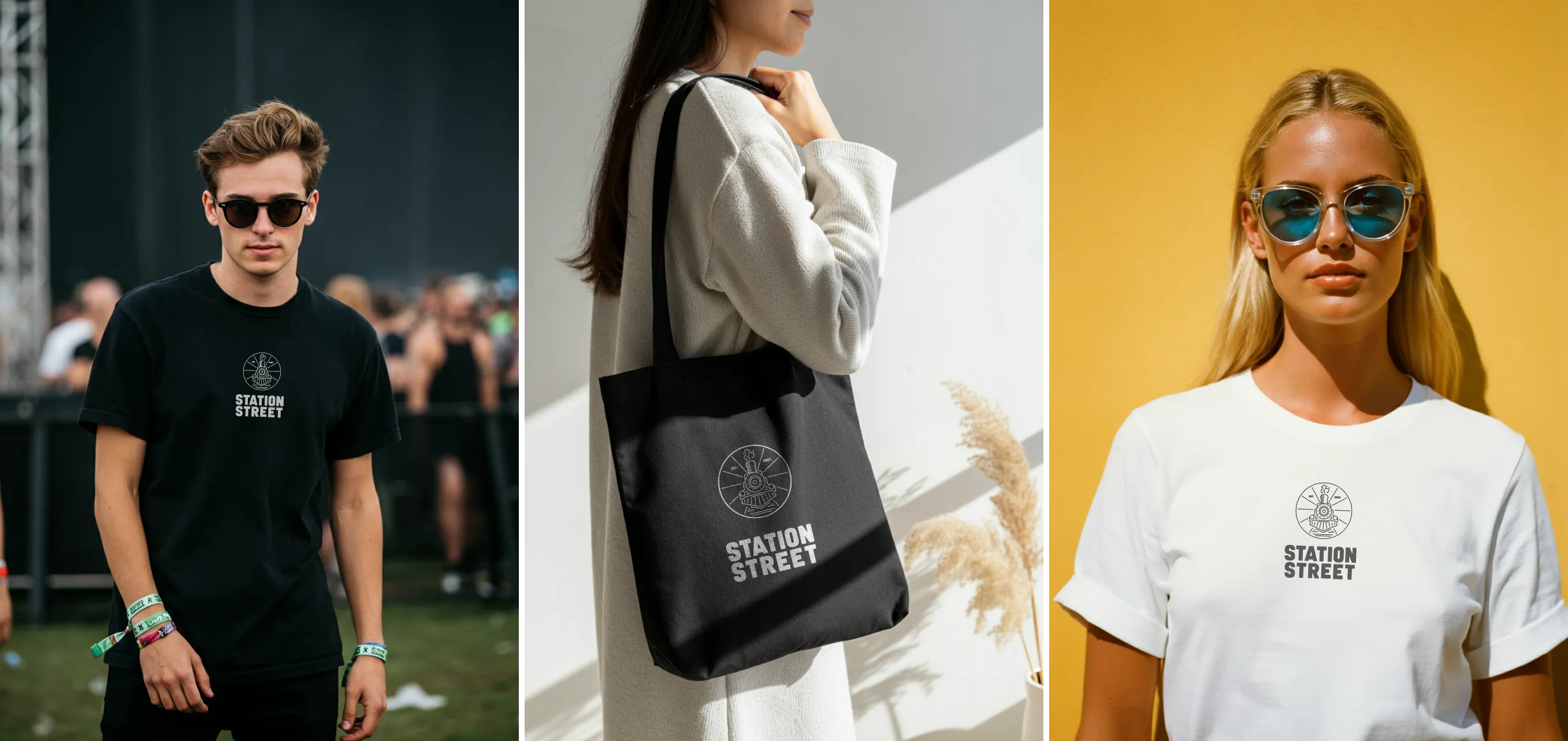
The brand centers on a locomotive badge marked “Est. 2023”, drawn in fine line work so it holds up from a website header to a printed tote.
We defined a set of acceptable compositions, from the full badge to a stacked lockup and a standalone wordmark, each in light and dark versions, so the team can choose the right mark for every format.
One key visual, four colorways
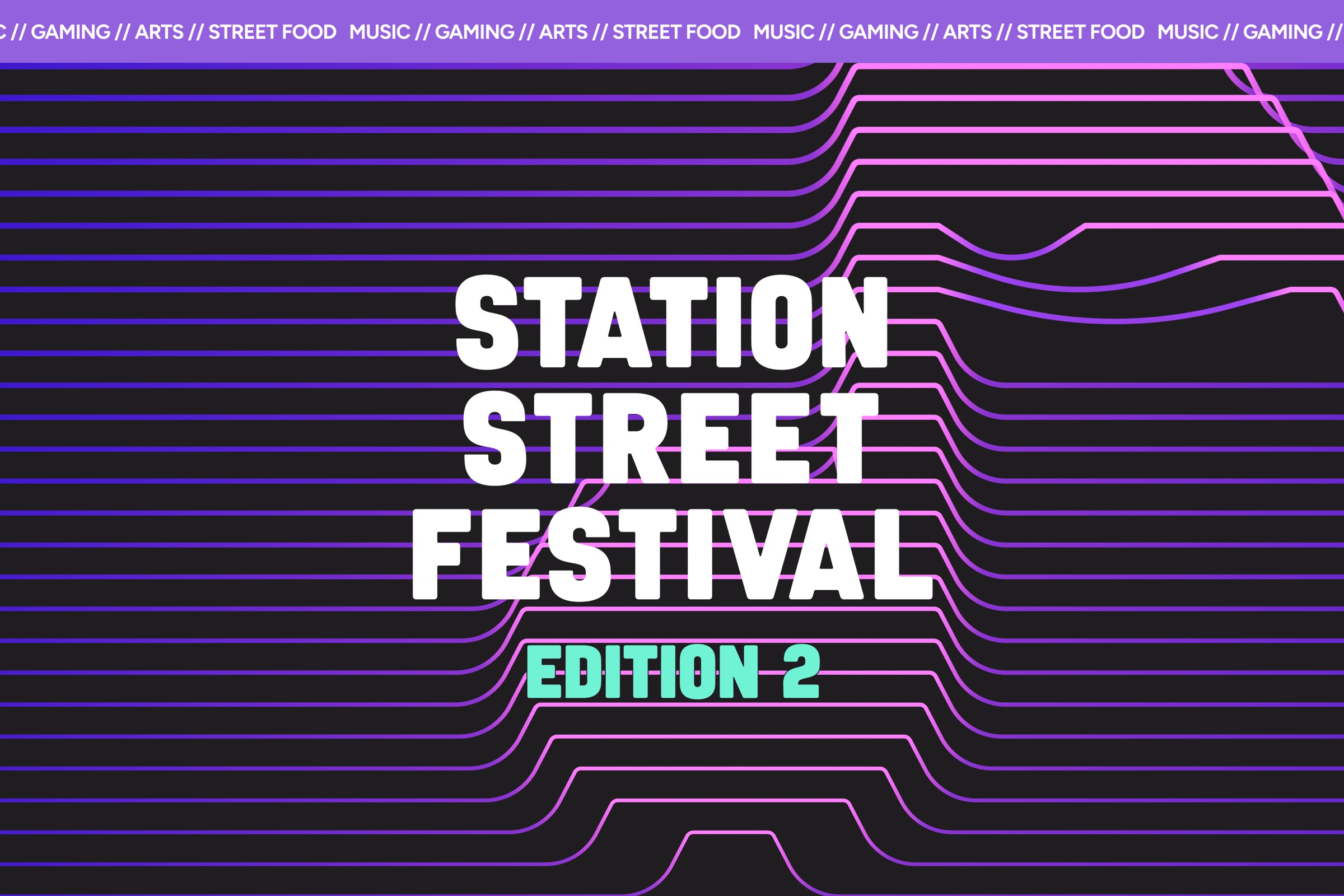
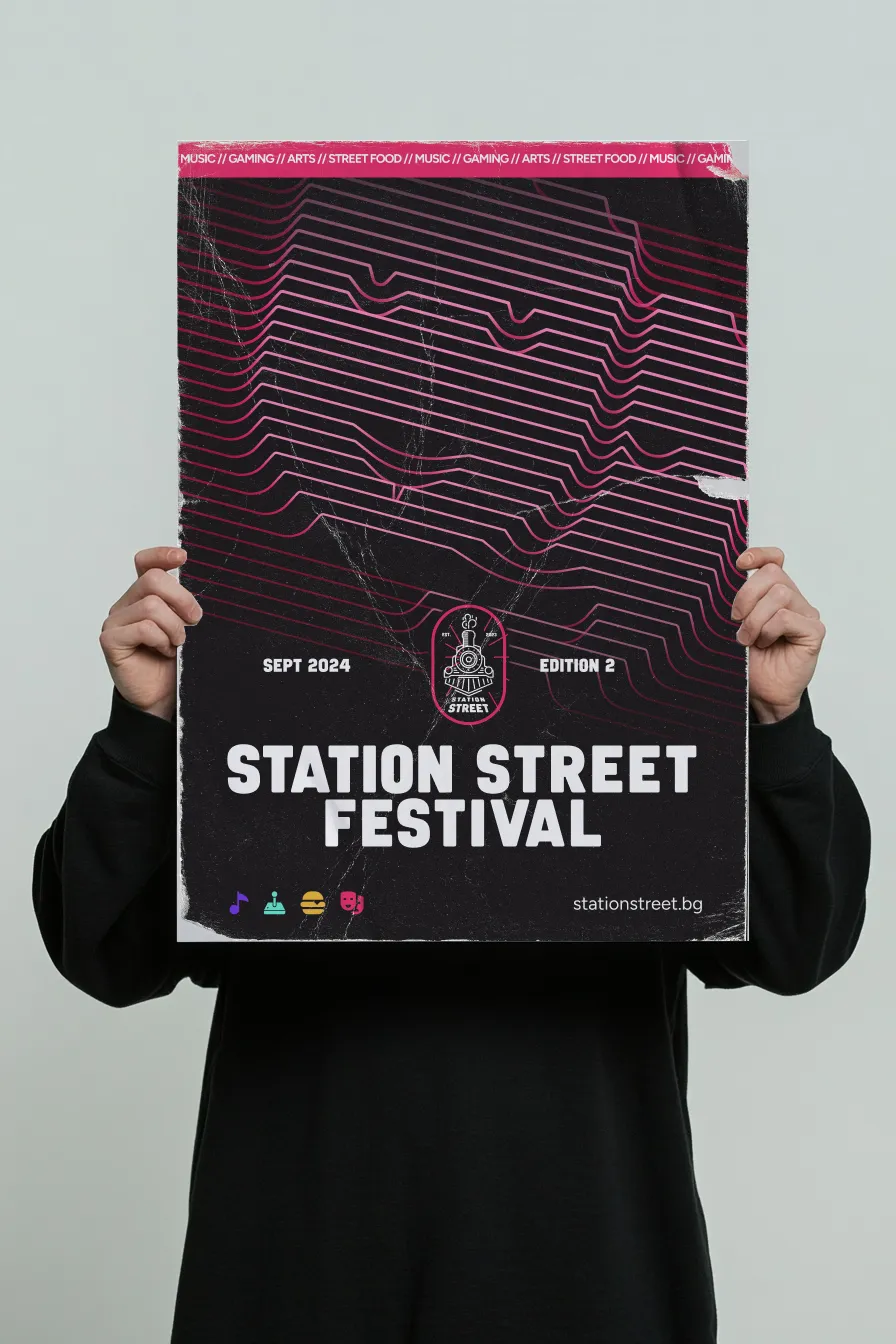
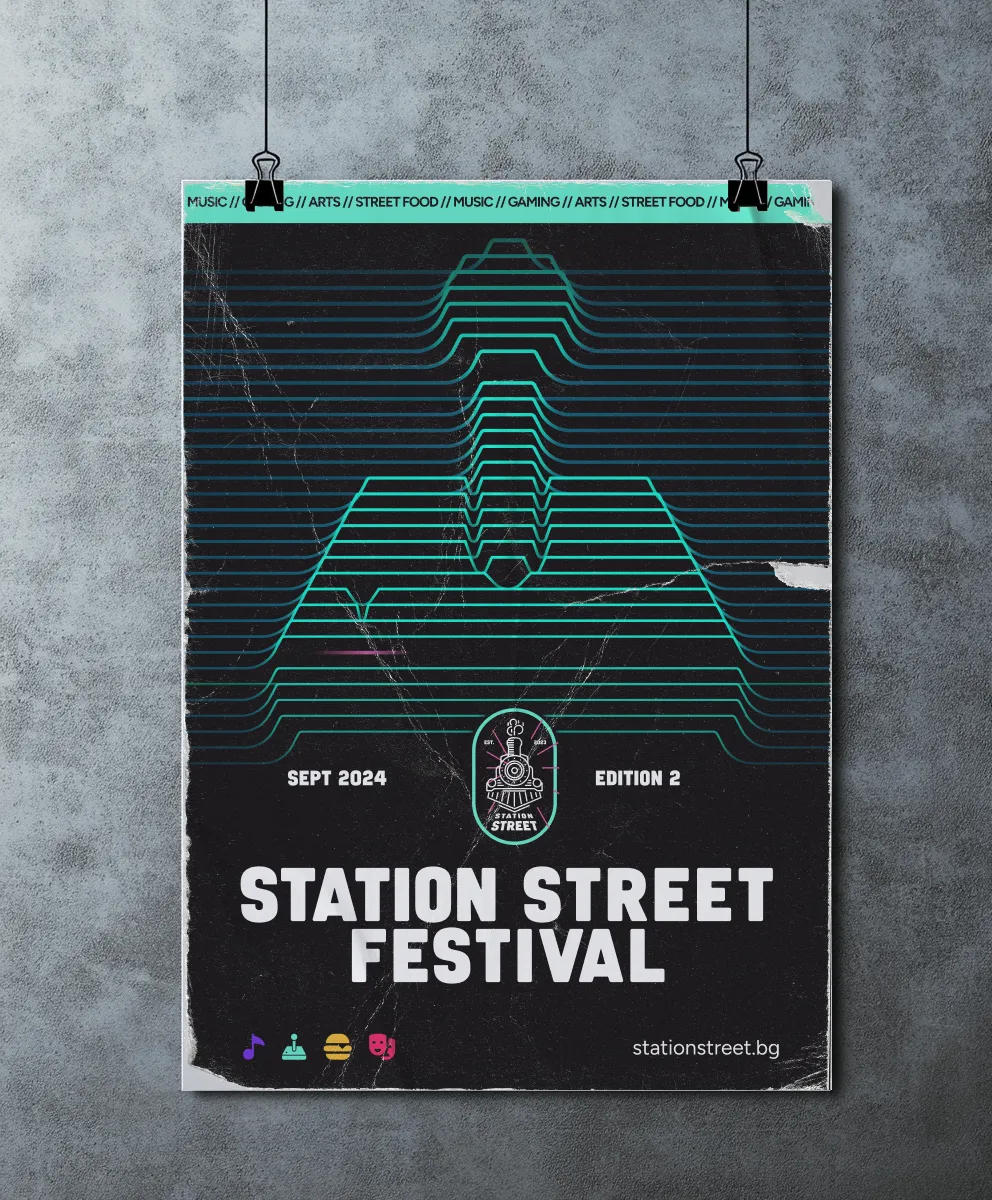
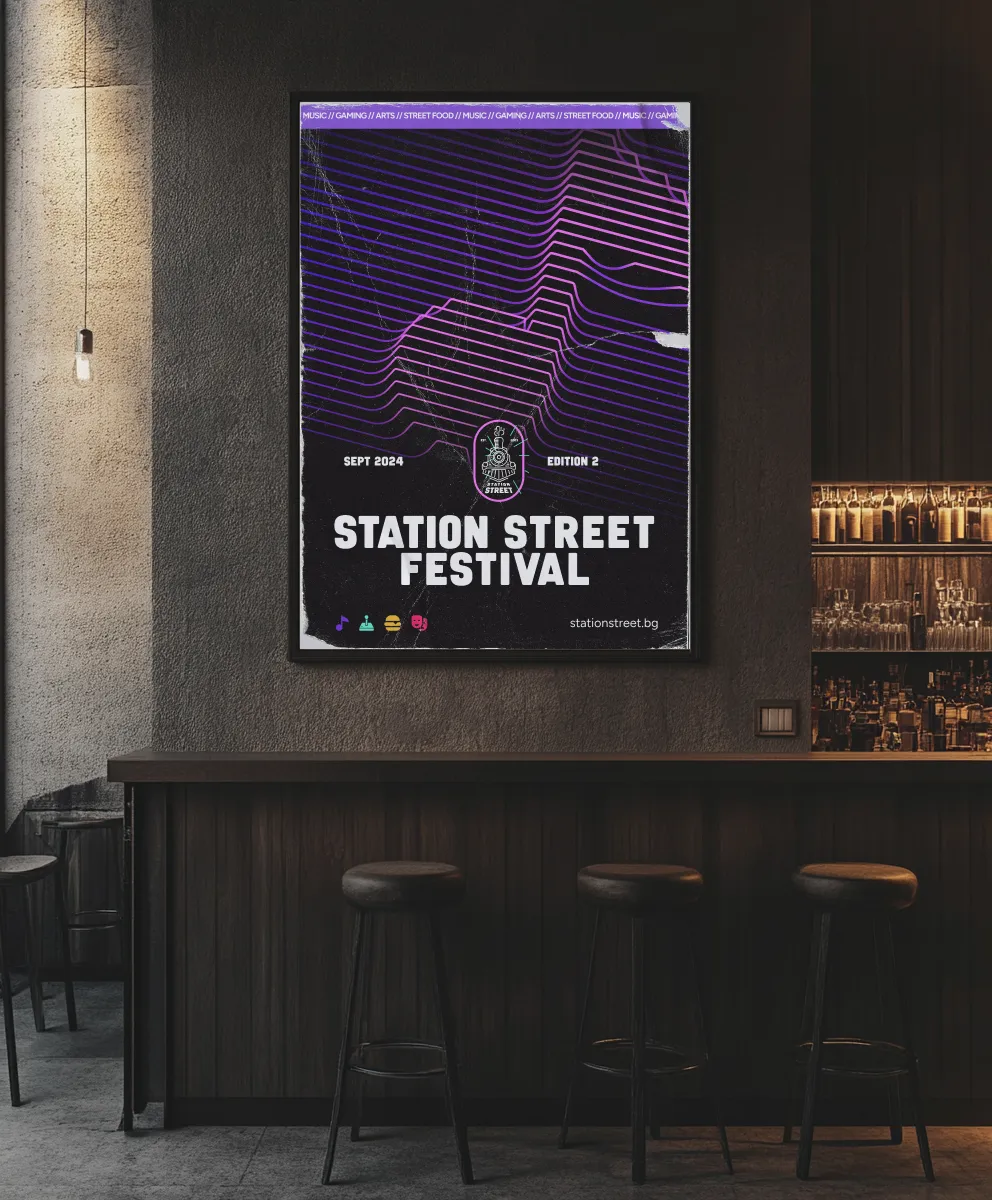
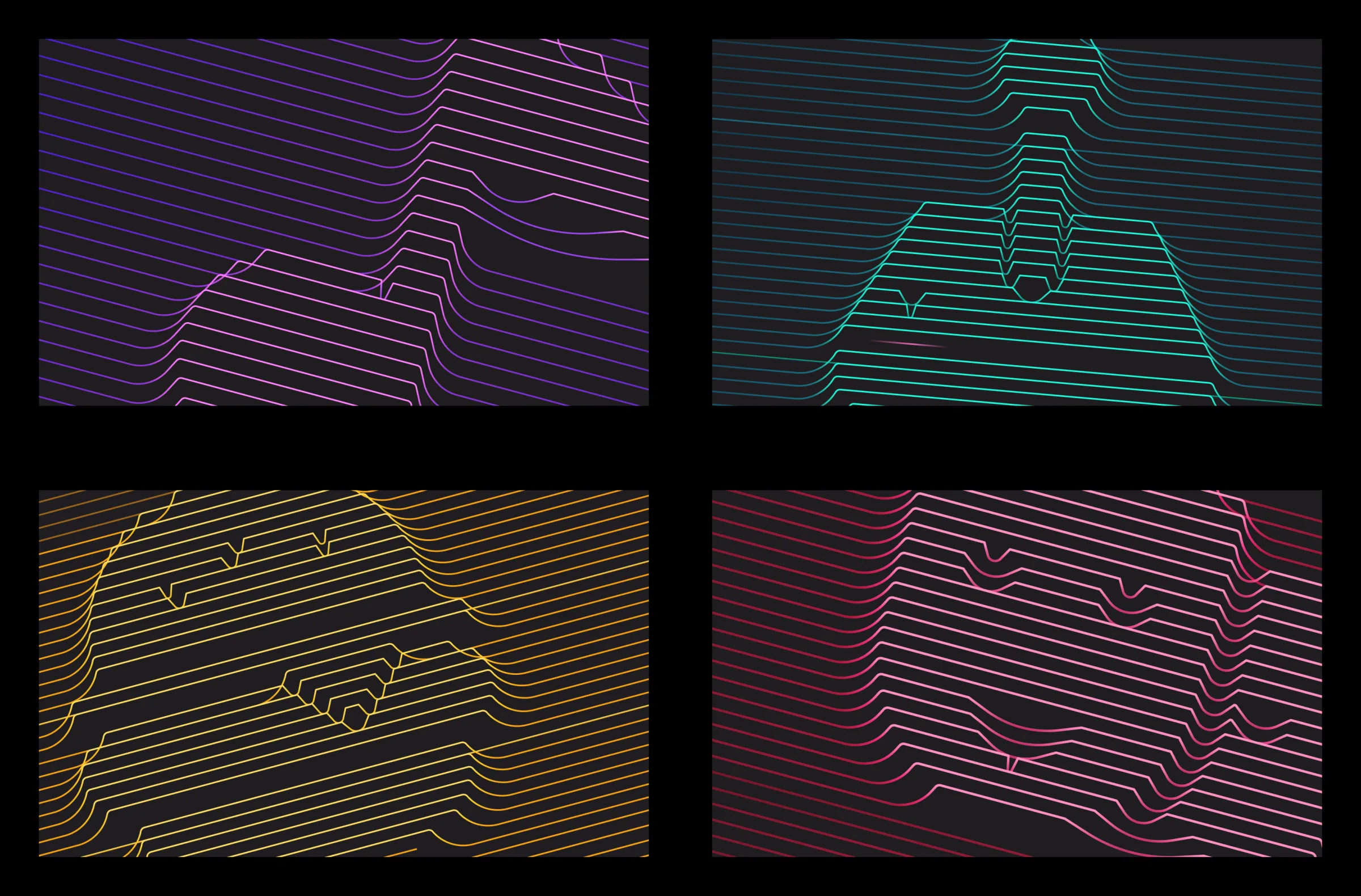
For Edition 2 in September 2024, we developed a key visual of performer portraits drawn as flowing contour lines. A ticker running along the top names the festival’s four strands: music, gaming, arts, and street food.
The system works in four colorways (purple, teal, yellow, and pink), giving each poster and placement its own character while keeping the festival recognizable.
From screen to street
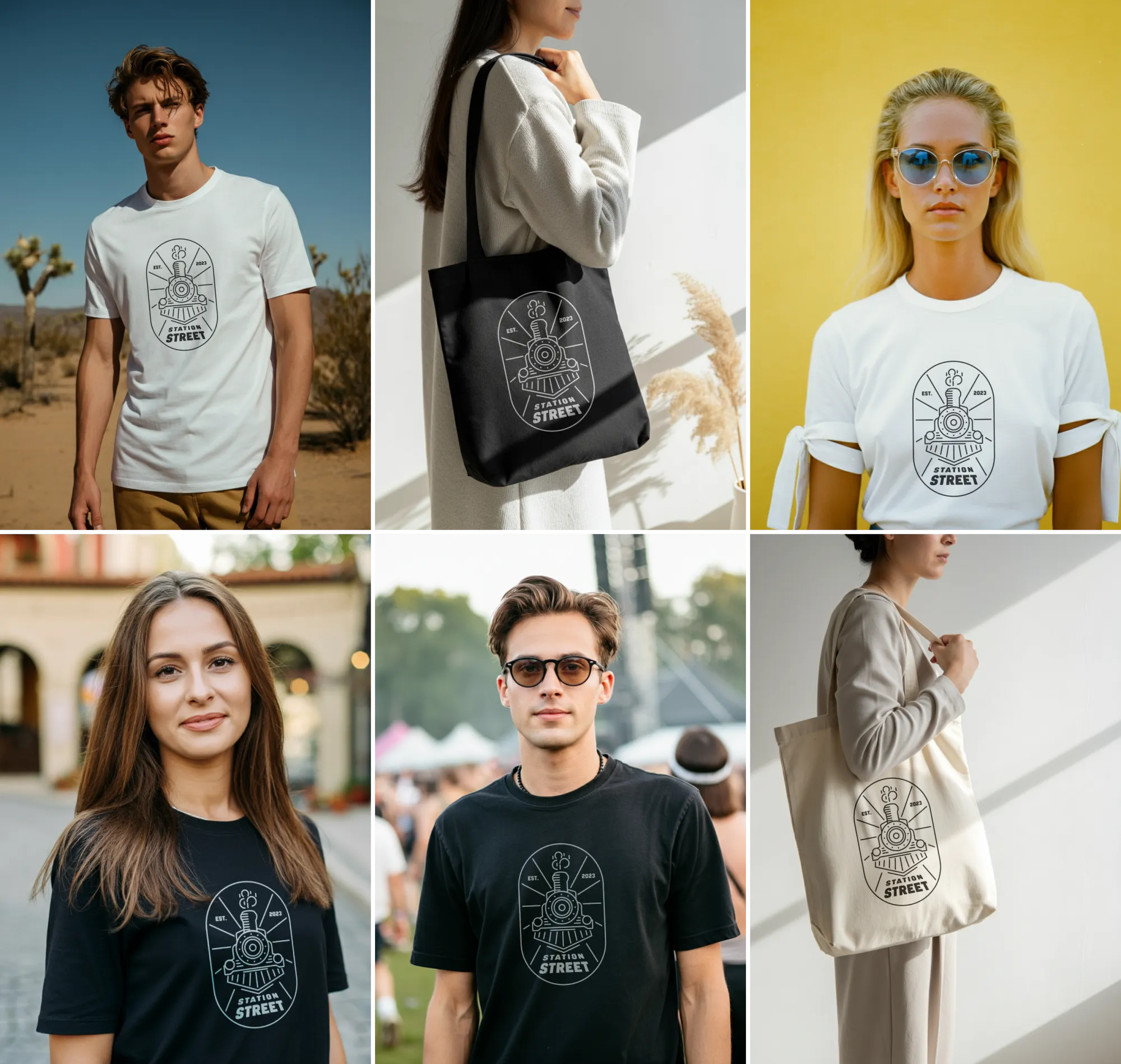
The badge carries onto festival merchandise. T-shirts and tote bags in black, white, and natural canvas let visitors take a piece of the festival home.
Easy to find in the crowd
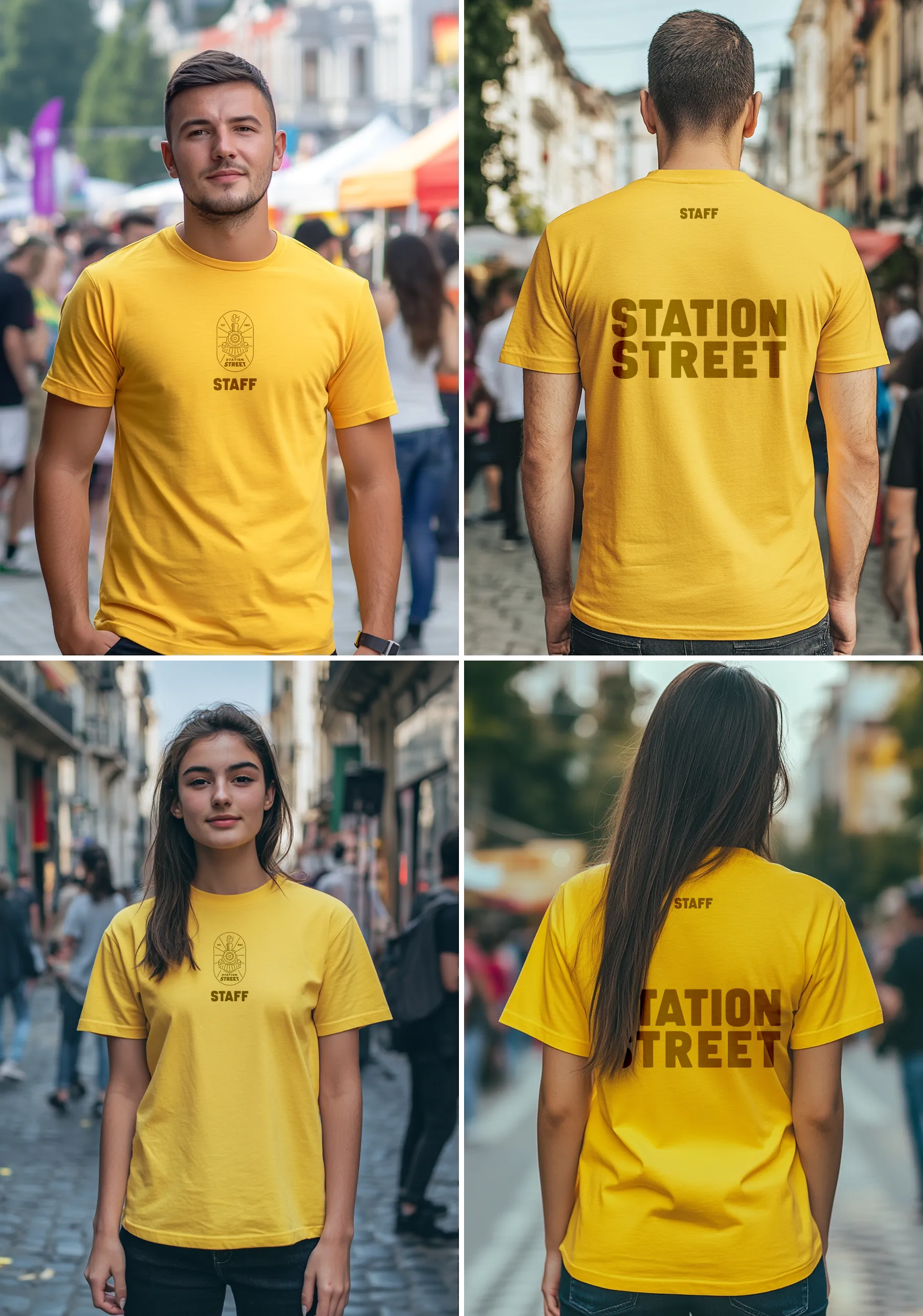
Staff shirts use the festival yellow, with a small badge on the front and a large wordmark across the back, so visitors can spot the team at a glance.
Live when it happens. Available afterwards.
Live streaming extends performances to remote audiences, while on-demand access gives the content a life beyond the broadcast.
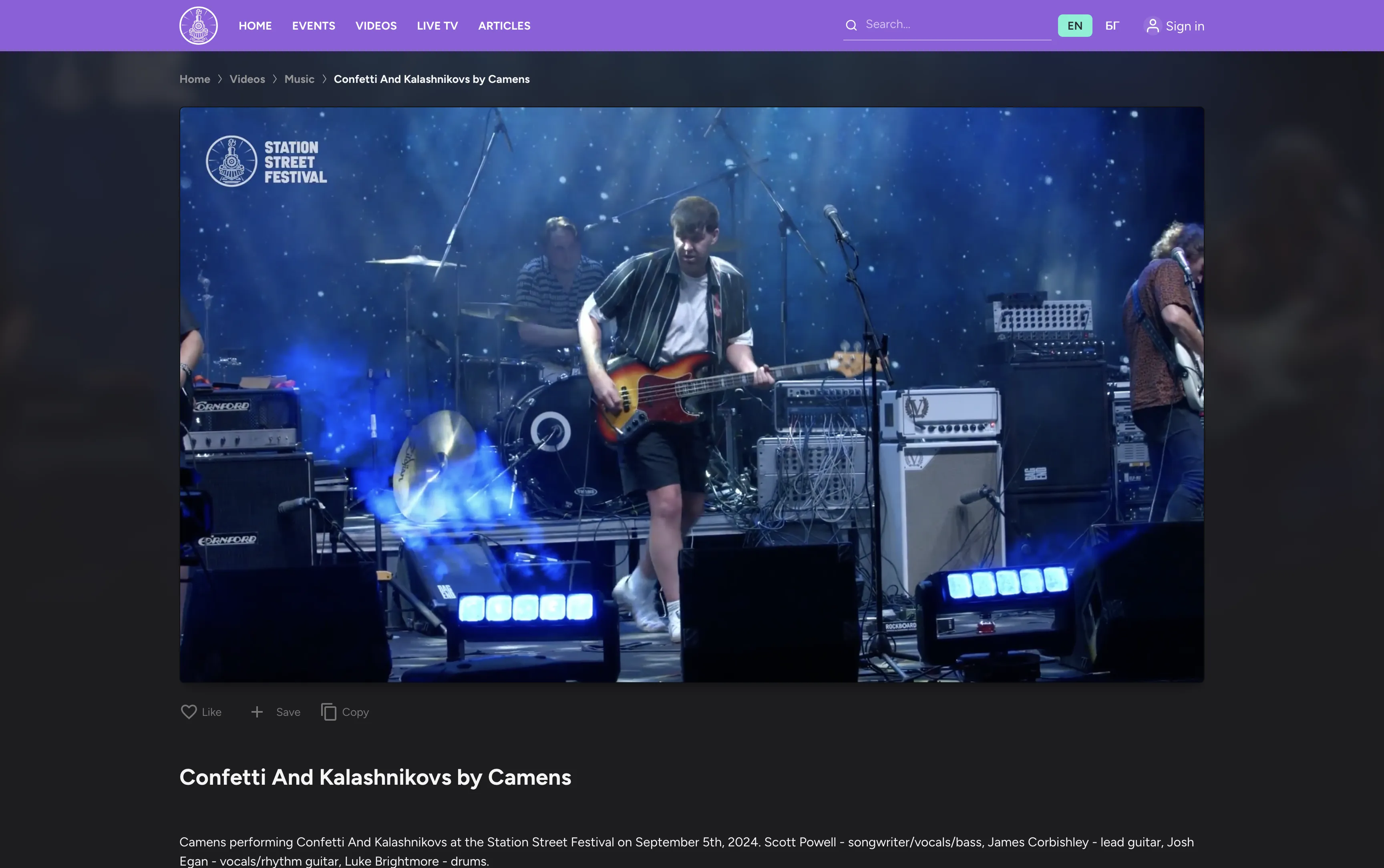
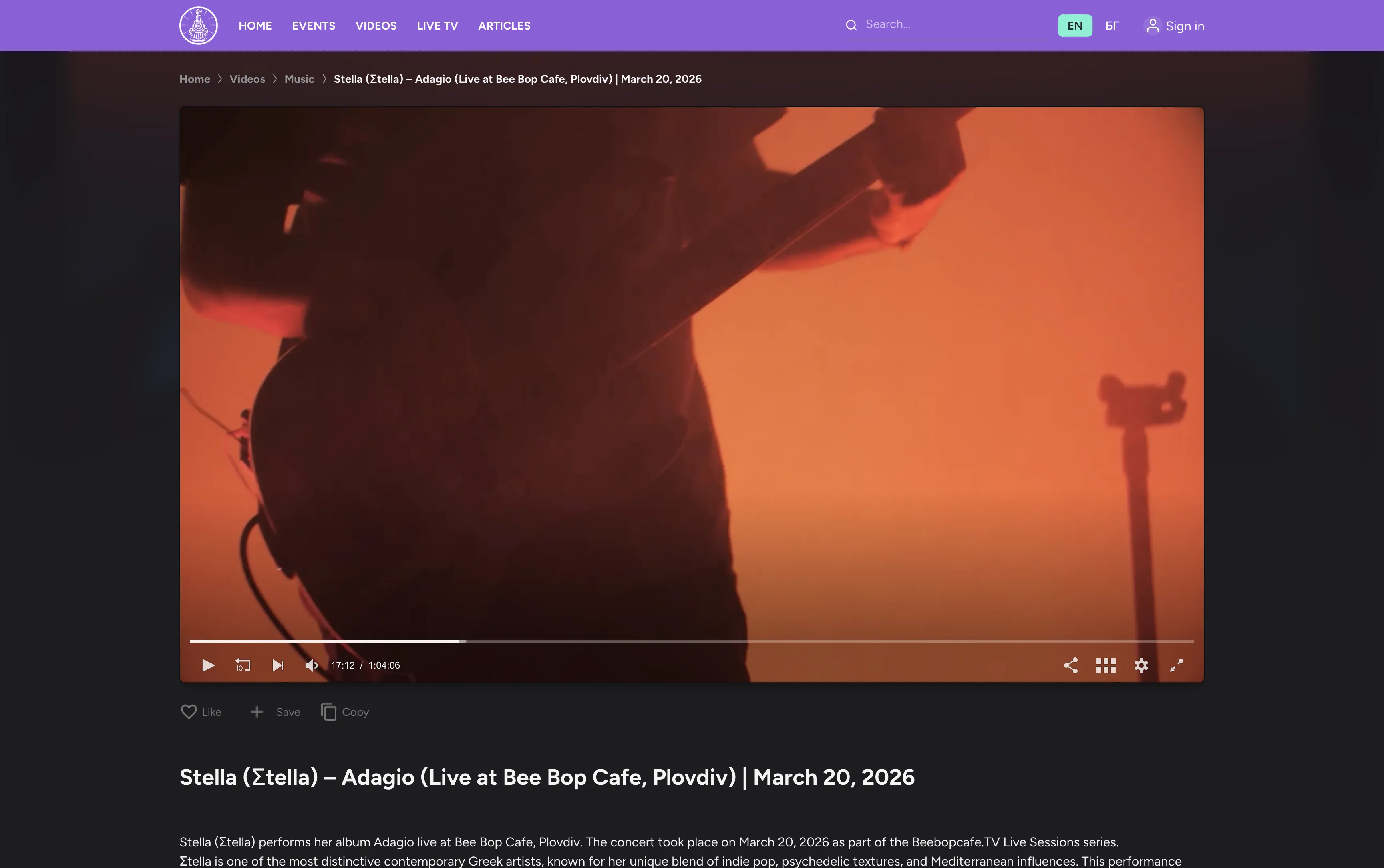
Recordings are organized into categories with credits and descriptions. Beyond the festival, the catalog also hosts performances such as the Beebopcafe.TV Live Sessions series from Bee Bop Cafe in Plovdiv.
The platform combines public-facing discovery with role-based access and sharing capabilities, helping the team manage how content is organized and made available.
Every edition, in one place
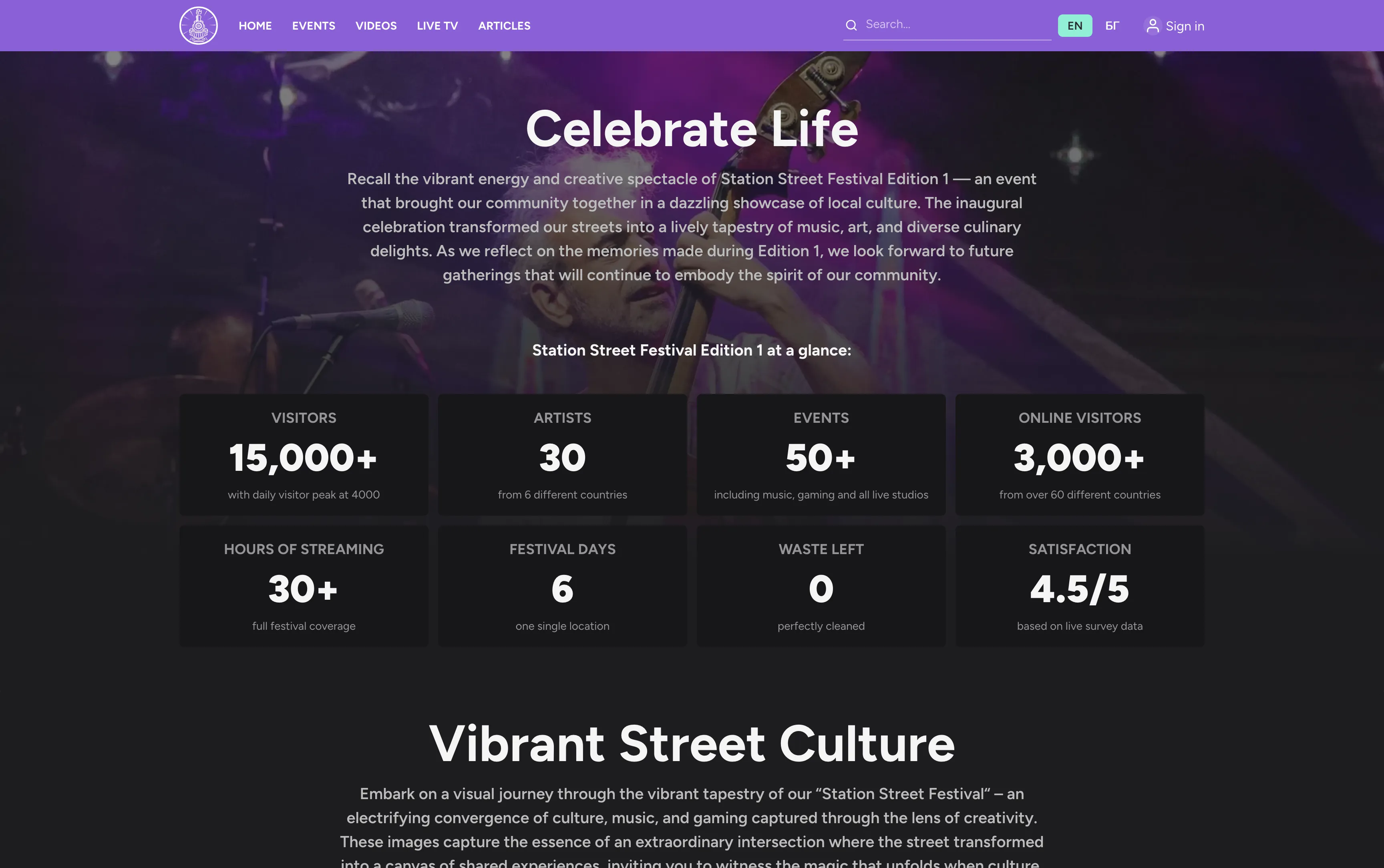
Each festival edition has its own page with highlights, galleries, and key figures. Edition 1 welcomed more than 15,000 visitors and 30 artists from six countries across six festival days, with over 50 events.
More than 3,000 online visitors from over 60 countries followed along through more than 30 hours of streaming, and visitors rated the festival 4.5 out of 5.
Three years of operation
Station Street has operated for three years, with more than ten hours of livestream content available on demand.
What began around a live festival has become an ongoing digital home for performances, cultural events, and editorial coverage.